

How email marketing can supercharge your inbound strategy is a question many marketers are asking as they look to optimize their efforts. Email marketing, when integrated effectively, is a powerful tool that enhances every stage of the inbound marketing funnel—attracting, engaging, and converting prospects. In this blog post, we’ll explore how email marketing can significantly amplify your inbound strategy, helping you build stronger relationships with your audience and drive higher conversions. From best practices to real-world examples, you’ll learn how to harness the full potential of email marketing for inbound success.
Introduction: Understanding Inbound Marketing
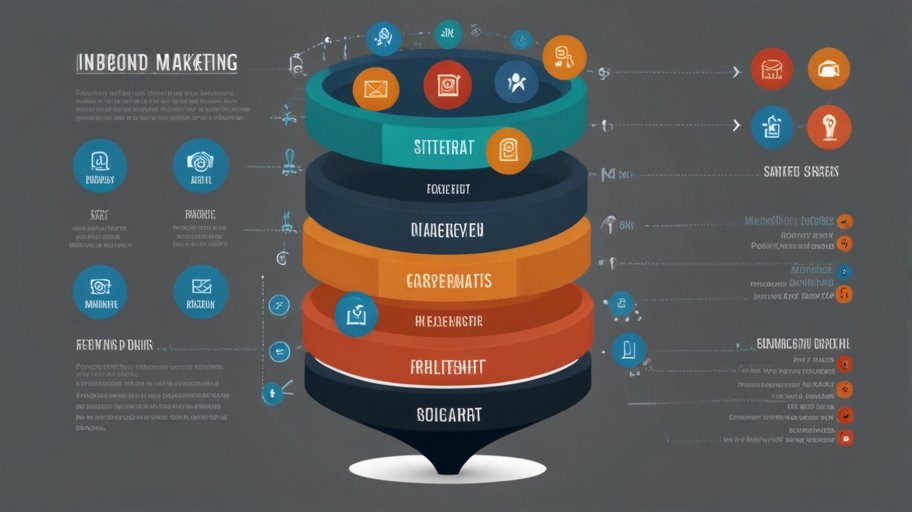
Inbound marketing is a customer-centric approach designed to attract, engage, and delight customers through relevant and helpful content. Unlike traditional outbound marketing strategies, which often rely on interrupting potential customers with ads and cold calls, inbound marketing seeks to create meaningful connections by providing valuable content that addresses the needs and challenges of the audience.
At the core of inbound marketing is the concept of attracting prospects through well-crafted content, engaging them by nurturing relationships, and delighting them with personalized experiences that foster brand loyalty. The main goal is to build trust and create long-term relationships with potential customers, ultimately leading to conversions.
In today’s competitive digital landscape, inbound marketing has become the preferred method for businesses looking to not only generate leads but also retain and nurture their customer base. It involves a combination of various tactics, including search engine optimization (SEO), content marketing, social media marketing, and email marketing.
This is where email marketing plays a pivotal role. Email marketing serves as an essential tool to fuel your overall inbound strategy, helping nurture relationships, drive conversions, and maintain ongoing communication with both prospects and existing customers.
In the following sections, we will explore how email marketing can fuel your overall inbound strategy by discussing its role in nurturing leads, personalizing communication, and optimizing conversions. Understanding the synergy between email marketing and inbound marketing will equip you with the knowledge to leverage these powerful strategies for business success.
What is Email Marketing?
Email marketing is a digital marketing strategy that involves sending targeted messages or content to a group of people via email. It is used to build relationships with potential and existing customers, promote products or services, and nurture leads throughout the customer journey.
At its core, email marketing is about creating relevant and personalized communication that resonates with your audience, helping them move from one stage of the sales funnel to the next. Whether it’s a promotional email offering a discount, a welcome email introducing your brand, or a follow-up email after a purchase, email marketing provides a direct and personal way to engage with subscribers.
Types of Email Marketing Campaigns
There are several types of email marketing campaigns, each serving a specific purpose within your overall inbound strategy:
- Newsletter Emails: Regular updates sent to subscribers, often containing useful content, news, and promotions.
- Promotional Emails: Emails designed to promote specific products, services, or offers.
- Transactional Emails: Automatically triggered emails, such as order confirmations or shipping updates.
- Drip Campaigns: A series of automated emails designed to nurture leads and guide them through the sales funnel.
- Re-engagement Emails: Emails aimed at re-engaging inactive subscribers or customers to reignite interest.
In the context of inbound marketing, How email marketing can supercharge your inbound strategy by helping you maintain consistent communication with your audience. It serves as a powerful tool to nurture relationships, provide value, and guide prospects toward making informed decisions.
By segmenting your email list and personalizing the content, email marketing ensures that your messages are highly relevant to each recipient, which increases engagement and boosts conversions. When executed properly, email marketing can be a cornerstone of your inbound strategy, driving long-term success and customer loyalty.
The Role of Email Marketing in Inbound Marketing
Email marketing plays a crucial role in driving the success of your inbound marketing strategy. As part of a broader inbound approach, email marketing helps nurture relationships with potential customers, maintain engagement, and ultimately guide them down the sales funnel toward conversion.
In inbound marketing, the focus is on creating valuable content that attracts visitors, engages them through personalized communication, and delights them with relevant offers. Email marketing is perfectly suited for each of these stages, making it an essential tool in your overall strategy.
1. Attracting New Leads
Email marketing helps attract new leads by offering valuable content, such as eBooks, webinars, and newsletters, in exchange for contact information. Through lead magnets (content offered in exchange for an email address), you can build a qualified email list of prospects interested in your products or services. When done right, email marketing can fuel your overall inbound strategy by driving traffic to your website and increasing your chances of converting visitors into leads.
2. Engaging Your Audience
Once you’ve attracted leads, email marketing becomes a vital tool for keeping them engaged. Through well-crafted email campaigns, you can provide personalized content that speaks to your audience’s interests and needs. For instance, an automated drip campaign can send a series of emails that nurture a lead over time, offering educational content or helpful resources that guide them toward making an informed purchasing decision. Engaging email content ensures that your prospects stay connected with your brand and are more likely to take the next step in the sales process.
3. Nurturing Leads
Email marketing is a powerful lead nurturing tool within inbound marketing. By sending targeted, relevant content, you can nurture your leads, building trust and moving them through the various stages of the buyer’s journey. With automated workflows, you can send timely, contextually appropriate emails that guide your leads from awareness to consideration and, ultimately, to the decision-making stage. Well-crafted email sequences can keep prospects engaged and ready to make a purchase when they are ready.
4. Converting Leads into Customers
When it comes to conversions, email marketing is a direct way to persuade prospects to take action. By sending tailored offers, discounts, or exclusive content via email, you can encourage prospects to make their first purchase or take another valuable step in the buyer journey. Through strong calls to action (CTAs), you can lead prospects to landing pages designed to convert them into customers. Email marketing is often the final push that turns leads into paying customers.
5. Retaining Customers and Building Loyalty
Email marketing doesn’t stop after a purchase. It’s also crucial for retaining customers and encouraging repeat business. After conversion, sending personalized post-purchase emails, loyalty offers, and product recommendations can keep your customers engaged and loyal to your brand. By maintaining an ongoing email communication strategy, you can ensure customers feel valued and are more likely to continue purchasing from you in the future.
In summary, email marketing fuels your overall inbound strategy by enhancing each stage of the buyer’s journey—from attracting leads to converting them into customers and retaining them over time. Through personalization, targeted messaging, and automation, email marketing helps nurture relationships, build trust, and ultimately drive sales and customer loyalty.
How Email Marketing Fuels Inbound Strategy
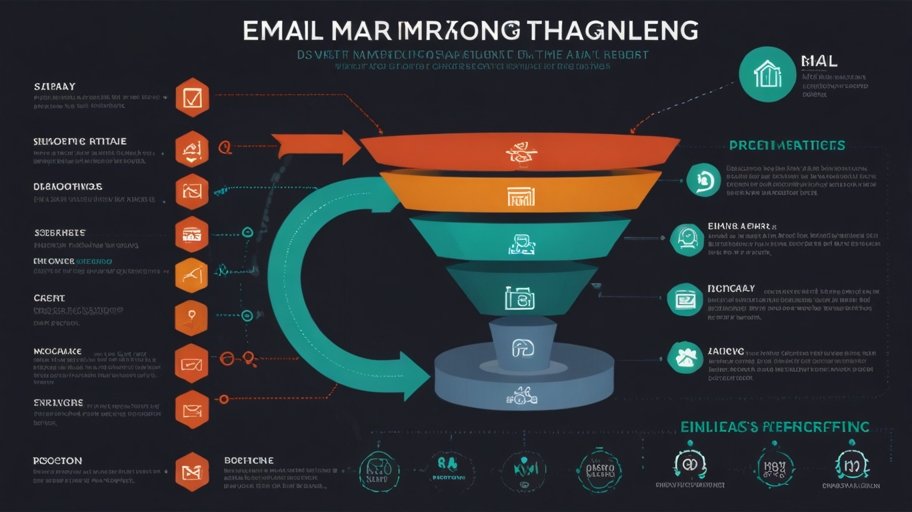
Email marketing plays a pivotal role in fueling your overall inbound strategy by fostering relationships with prospects, nurturing leads, and driving conversions. When integrated effectively, email marketing enhances every stage of the inbound marketing funnel, ensuring that your messages reach the right audience with the right content at the right time.
Here’s a breakdown of how email marketing fuels your overall inbound strategy:
1. Personalization and Segmentation
Personalization is one of the key ways email marketing contributes to a successful inbound strategy. Rather than sending generic messages to your entire email list, you can segment your audience based on demographics, behaviors, interests, or stages in the buyer’s journey. This ensures that each recipient receives tailored content relevant to their needs and challenges, making the communication more engaging and effective.
For example, new subscribers might receive a welcome email series introducing them to your brand, while returning customers might get product recommendations based on their past purchases. Personalized emails lead to higher engagement rates and a more positive experience for your audience.
2. Lead Nurturing
Email marketing is an excellent tool for nurturing leads through the sales funnel. By sending automated email sequences (drip campaigns), you can engage leads with relevant information, educate them on your offerings, and guide them toward making a purchasing decision.
Each email in the sequence builds on the previous one, providing value at every step. This gradual approach helps to establish trust, answer any questions or objections, and move the lead closer to becoming a customer. Drip campaigns ensure that your prospects receive timely communication, keeping your brand top of mind and nurturing the relationship.
3. Converting Leads into Customers
Email marketing is designed to drive conversions. With the right call-to-action (CTA), emails can encourage subscribers to take the next step, whether it’s making a purchase, downloading a resource, or scheduling a consultation. Email campaigns with exclusive offers, discounts, or limited-time promotions can provide the final push that motivates leads to convert.
In addition, strategically placed CTAs and optimized landing pages can guide leads through a smooth transition from prospect to customer. Email marketing helps you capture intent and turn interest into actual sales.
4. Increasing Engagement and Building Loyalty
Once a prospect becomes a customer, email marketing continues to play an essential role in engaging them and building long-term loyalty. Post-purchase emails, loyalty programs, and regular newsletters keep customers informed about new products, promotions, and updates, encouraging repeat purchases and brand advocacy.
By maintaining a consistent email communication strategy, you can remind your customers of the value your brand provides, turning first-time buyers into loyal, repeat customers.
5. Measuring and Optimizing Performance
One of the most powerful aspects of email marketing is its ability to be measured and optimized. With detailed analytics, you can track metrics like open rates, click-through rates (CTR), conversion rates, and unsubscribe rates. These insights allow you to continuously improve your campaigns, segment your audience more effectively, and refine your content to ensure it resonates with your subscribers.
The data from email marketing campaigns can also provide valuable feedback on what works and what doesn’t, helping you optimize your entire inbound strategy for better results.
In conclusion, email marketing fuels your overall inbound strategy by enabling personalization, nurturing leads, driving conversions, increasing engagement, and providing valuable insights. By strategically integrating email marketing into your inbound approach, you can enhance customer relationships, maximize conversions, and build long-term brand loyalty.
Best Practices for Integrating Email Marketing with Inbound Strategy
To fully leverage the power of email marketing and fuel your overall inbound strategy, it’s essential to follow best practices that ensure your campaigns are effective, personalized, and optimized for success. By aligning email marketing with your inbound approach, you can engage leads, nurture relationships, and drive conversions. Below are key best practices for integrating email marketing into your inbound strategy:
1. Develop Detailed Buyer Personas
Before you start sending emails, it’s crucial to understand your audience. Buyer personas are semi-fictional representations of your ideal customers, created based on data and insights. These personas help you tailor your email content to the specific needs, challenges, and goals of different segments of your audience.
By segmenting your email list according to these personas, you ensure that your messages are highly relevant and resonate with your recipients. Whether you’re targeting first-time visitors or long-time customers, personalization begins with understanding your audience’s motivations and preferences.
2. Create a Strong Email List Strategy
Building a clean, targeted email list is the foundation of any successful email marketing campaign. Focus on collecting permission-based email addresses through lead magnets, such as downloadable eBooks, whitepapers, webinars, or newsletter sign-ups.
Your list should be built organically, ensuring that you are reaching people who genuinely want to hear from you. Use opt-in forms that allow users to select the type of content they want to receive, which will increase engagement and reduce unsubscribes.
3. Use Automated Email Workflows
One of the most effective ways to integrate email marketing with your inbound strategy is by automating your email campaigns. Automated workflows can help you send the right message to the right person at the right time without manual intervention. This is particularly useful for nurturing leads and guiding them through the sales funnel.
For example, when a new subscriber signs up for your newsletter, you can automatically send a welcome email followed by a series of educational emails that provide valuable insights about your products or services. As they move through the funnel, your emails can evolve to meet their growing interest in specific offerings.
4. Focus on Quality Content
The content you send via email should provide real value to your subscribers. This means creating content that addresses their pain points, answers their questions, and offers solutions. Whether you’re sending educational blog posts, exclusive offers, or case studies, ensure that each email adds value and aligns with your inbound marketing goals.
Additionally, always include a clear call to action (CTA) that guides your recipients toward the next step in their buyer journey, whether it’s downloading a resource, scheduling a demo, or making a purchase.
5. Optimize for Mobile Devices
With the majority of emails being opened on mobile devices, it’s essential to ensure that your emails are mobile-responsive. Design emails that are easy to read and navigate on smaller screens. Use large, clickable buttons, concise subject lines, and visually appealing layouts to enhance the mobile experience.
A mobile-optimized email not only improves the user experience but also increases the likelihood of engagement, which ultimately supports your inbound strategy by keeping leads and customers connected to your brand.
6. Test, Analyze, and Optimize
Continuous testing and optimization are crucial for improving the performance of your email marketing campaigns. Use A/B testing to compare different subject lines, email copy, CTAs, and designs. Track key metrics such as open rates, click-through rates, and conversion rates to understand what works best for your audience.
The insights you gain from these tests can help you refine your approach and improve the effectiveness of future campaigns. Optimizing your email campaigns allows you to better align with your inbound strategy and drive more successful results.
7. Ensure Consistency with Your Brand Voice and Messaging
Consistency is key when integrating email marketing into your inbound strategy. Ensure that your emails reflect your brand’s voice and messaging across all channels. Whether it’s the tone, style, or overall messaging, your emails should align with the content on your website, social media, and other marketing materials.
Consistency in messaging helps to build trust with your audience, making them more likely to engage with your content and convert into customers.
Key Metrics to Track for Email Marketing Success
To ensure that your email marketing efforts are fueling your overall inbound strategy effectively, it’s important to track key metrics that indicate the performance of your campaigns. Monitoring these metrics helps you understand what’s working, what’s not, and where to make improvements. By regularly analyzing these metrics, you can optimize your email marketing for better engagement, conversions, and overall success.
Here are the essential metrics to track for email marketing success:
1. Open Rate
The open rate refers to the percentage of recipients who open your email compared to the total number of recipients who received it. It’s a crucial metric because it gives you an indication of how compelling your subject line is and whether your email is reaching the right audience.
To improve your open rates, focus on creating attention-grabbing subject lines that spark curiosity and resonate with your audience. Personalization can also help increase open rates, as recipients are more likely to open emails that seem relevant to them.
2. Click-Through Rate (CTR)
The click-through rate (CTR) measures the percentage of people who clicked on a link or CTA in your email compared to the total number of recipients. This metric is important because it shows how engaging your email content is and how well your CTA is performing.
To improve CTR, ensure your emails have clear, compelling calls to action that align with the interests of your audience. Make sure the content and design of your email are optimized to guide recipients toward taking action.
3. Conversion Rate
The conversion rate measures the percentage of email recipients who complete a desired action, such as making a purchase, filling out a form, or downloading a resource. This is one of the most important metrics because it indicates whether your emails are effectively driving desired actions and contributing to your overall inbound strategy.
To increase conversions, make sure your email content is highly relevant to the recipients, your offers are attractive, and your landing pages are optimized for a seamless user experience.
4. Bounce Rate
The bounce rate represents the percentage of emails that were not delivered to the recipient’s inbox. There are two types of bounces:
- Soft bounces: Temporary issues, such as a full inbox or server problems.
- Hard bounces: Permanent issues, such as invalid or non-existent email addresses.
A high bounce rate can damage your sender reputation, so it’s important to regularly clean your email list and remove invalid email addresses to ensure better deliverability.
5. Unsubscribe Rate
The unsubscribe rate is the percentage of recipients who opt out of receiving your emails. While some unsubscribes are natural, a high unsubscribe rate could indicate that your content is not resonating with your audience or that you’re sending emails too frequently.
To minimize unsubscribes, ensure your content is relevant and valuable to your audience. Additionally, giving recipients the option to manage their email preferences (such as frequency and type of emails) can reduce unsubscribe rates.
6. Spam Complaint Rate
The spam complaint rate shows how many recipients report your email as spam. A high spam complaint rate can hurt your sender reputation and reduce email deliverability. If recipients are consistently marking your emails as spam, it’s a sign that your emails may not be meeting their expectations or are irrelevant.
To prevent spam complaints, ensure that your emails are targeted, personalized, and provide real value. Always include a clear and easy way for recipients to unsubscribe or manage their preferences.
7. Forwarding/Sharing Rate
The forwarding or sharing rate measures how often your email is shared with others. If your content is valuable and engaging, recipients are more likely to forward the email or share it on social media, helping to expand your reach.
To encourage sharing, include social sharing buttons and compelling content that your audience will want to share with others. This can help drive traffic and awareness to your brand, further fueling your inbound strategy.
Common Email Marketing Mistakes to Avoid
While email marketing is a powerful tool to fuel your overall inbound strategy, it’s easy to make mistakes that can hinder the effectiveness of your campaigns. Avoiding these common pitfalls ensures that your emails reach the right audience with the right message, driving better results and contributing to your overall marketing goals.
Here are some of the most common email marketing mistakes to avoid:
1. Sending Emails to an Untargeted List
One of the biggest mistakes in email marketing is sending emails to an untargeted or generic list. When you send the same message to everyone on your email list, you risk alienating recipients who may not be interested in your content or products.
Solution: Always segment your email list based on factors such as demographics, interests, behaviors, and stage in the buyer’s journey. This ensures that your emails are relevant and personalized, increasing the chances of engagement.
2. Overloading Emails with Too Much Content
Another mistake is sending emails that are overloaded with content. If your email contains too much information or too many calls to action (CTAs), it can overwhelm your recipients and cause them to disengage.
Solution: Keep your emails clear, concise, and focused on a single message or CTA. This helps your audience quickly understand the purpose of the email and what action they need to take. Focus on delivering value with each email.
3. Ignoring Mobile Optimization
With the majority of emails being opened on mobile devices, it’s essential to ensure that your emails are mobile-friendly. Neglecting to optimize your emails for mobile can lead to poor user experiences, resulting in lower open and click-through rates.
Solution: Design emails that are responsive, meaning they automatically adjust to different screen sizes. Use large fonts, clickable buttons, and a clean layout that makes it easy for mobile users to engage with your content.
4. Neglecting to Test and Optimize Emails
Failing to test and optimize your email campaigns can result in missed opportunities to improve performance. Without A/B testing subject lines, content, and design elements, you may never know what resonates best with your audience.
Solution: Regularly test various aspects of your emails, including subject lines, CTA buttons, email copy, and visuals. Use A/B testing to determine which versions of your emails get the best results, and optimize future campaigns accordingly.
5. Using Generic or Irrelevant Subject Lines
The subject line is one of the most important elements of your email. A generic or irrelevant subject line can lead to low open rates, as subscribers may not be motivated to open the email.
Solution: Craft compelling and personalized subject lines that grab attention and give recipients a reason to open the email. Focus on conveying value and making the subject line relevant to the audience’s needs or interests.
6. Failing to Include a Clear Call to Action (CTA)
If your email lacks a clear CTA, recipients may not know what action to take after reading your email. This can result in missed opportunities to drive conversions.
Solution: Every email should include a single, clear call to action that tells the recipient what they need to do next. Whether it’s clicking a link, downloading a resource, or making a purchase, make sure your CTA is prominently placed and easy to follow.
7. Ignoring Email Frequency and Timing
Bombarding your audience with emails too frequently can lead to email fatigue and increased unsubscribe rates, while sending emails too infrequently may cause your audience to forget about your brand.
Solution: Find the right balance between email frequency and timing. Use data and insights to determine when your audience is most likely to engage with your emails. Be consistent but avoid overwhelming your subscribers.
8. Not Monitoring Email Metrics
Neglecting to monitor key email marketing metrics, such as open rates, click-through rates, and conversion rates, means you’re missing out on valuable insights that could improve your campaigns. Without tracking performance, it’s difficult to understand what’s working and what needs adjustment.
Solution: Continuously track and analyze email marketing metrics. Use the insights to refine your email strategy, improve targeting, and optimize future campaigns.
Real-Life Examples of Successful Email Marketing in Inbound Strategy
Successful email marketing campaigns can significantly fuel your overall inbound strategy, driving customer engagement, nurturing leads, and boosting conversions. To better understand how email marketing works in practice, let’s explore some real-life examples of companies that have effectively integrated email marketing into their inbound strategy.
1. HubSpot: Nurturing Leads Through Automated Email Workflows
HubSpot is a prime example of a company that has mastered the art of email marketing within its inbound strategy. HubSpot uses a combination of lead magnets, targeted email campaigns, and automated email workflows to nurture prospects through the buyer’s journey.
For example, when a new subscriber downloads an eBook or attends a webinar, HubSpot automatically sends a series of emails that provide more valuable content and gradually introduce the brand’s products and services. These automated emails help build trust and establish a relationship with potential customers, turning them into qualified leads and ultimately driving conversions.
HubSpot’s success in email marketing lies in its ability to segment contacts based on behavior and demographics, sending highly personalized content that speaks directly to the interests of each lead.
2. Airbnb: Personalizing Email Content Based on User Behavior
Airbnb is another company that effectively uses email marketing to fuel its inbound strategy. Airbnb personalizes its email campaigns based on user behavior and preferences, ensuring that each recipient receives content relevant to their interests.
For instance, when a user browses properties in a particular location or saves favorite listings, Airbnb follows up with personalized recommendations, offers, and reminders related to those properties. This personalized approach not only improves engagement but also increases the chances of conversion by showing users properties they’re most likely to book.
By combining email marketing with insights gained from user behavior, Airbnb has been able to boost engagement and drive revenue through its email campaigns.
3. Amazon: Using Email to Drive Repeat Purchases
Amazon excels at using email marketing as part of its inbound strategy to drive repeat purchases and encourage customer loyalty. After a customer makes a purchase, Amazon sends personalized follow-up emails featuring product recommendations based on previous purchases or browsing history.
Additionally, Amazon sends reminder emails about items left in the shopping cart, further encouraging customers to complete their purchases. This targeted approach has helped Amazon maintain high customer engagement and foster long-term loyalty.
By utilizing customer data to personalize emails and send relevant offers, Amazon has seen significant success in using email marketing to boost sales and customer retention.
4. Dropbox: Email for Onboarding and Engagement
Dropbox is a great example of using email marketing to enhance user onboarding and drive user engagement. When a user first signs up for Dropbox, they receive a well-designed email series that walks them through the setup process, introduces key features, and provides tips for maximizing their experience.
As the user continues to engage with Dropbox, the company sends personalized emails offering additional features or plans, guiding them toward upgrading their accounts. This seamless integration of email marketing with user engagement is a key reason why Dropbox’s email campaigns are so effective at both onboarding new users and converting them into paid customers.
By leveraging email for personalized engagement throughout the customer lifecycle, Dropbox ensures users stay engaged and get the most value out of the product, which helps increase conversions and long-term retention.
5. Sephora: Loyalty Program Emails
Sephora has successfully used email marketing to drive customer loyalty and engagement through its Beauty Insider loyalty program. As customers earn points for purchases, Sephora sends personalized emails to inform them about their points balance and exclusive rewards available.
These emails encourage customers to continue shopping at Sephora to earn rewards and unlock exclusive benefits, increasing both sales and customer retention. Additionally, Sephora uses email marketing to promote special events, sales, and personalized product recommendations based on customer preferences, ensuring that recipients stay engaged with the brand.
Sephora’s email marketing strategy shows how offering valuable rewards through email can significantly impact customer loyalty and contribute to overall inbound marketing success.
Conclusion: Leveraging Email Marketing for Inbound Marketing Success
Incorporating email marketing into your overall inbound strategy is not only a powerful way to engage with your audience but also a critical tool for driving conversions, nurturing relationships, and fostering long-term customer loyalty. As we’ve discussed, email marketing plays an essential role in attracting leads, guiding them through the buyer’s journey, and keeping them engaged after a purchase.
By following best practices such as segmentation, personalization, and automation, you can maximize the effectiveness of your email campaigns. Tracking key metrics and optimizing your emails will help you continually improve your efforts and ensure that your messages are resonating with the right people at the right time.
Real-life examples from companies like HubSpot, Airbnb, Amazon, Dropbox, and Sephora show just how impactful email marketing can be when integrated seamlessly into an inbound strategy. These companies demonstrate that, when executed properly, email marketing can nurture leads, build trust, drive conversions, and create lasting customer relationships that fuel business growth.
To achieve inbound marketing success, it’s crucial to remember that email marketing is a continuous process of learning and adaptation. By leveraging the right strategies, optimizing your content, and analyzing your performance, you can ensure that email marketing remains a cornerstone of your inbound marketing strategy, helping you achieve long-term success.
Start implementing these strategies today, and see how email marketing can fuel your overall inbound strategy by delivering personalized, relevant, and timely content to your audience, driving higher engagement, and boosting conversions.